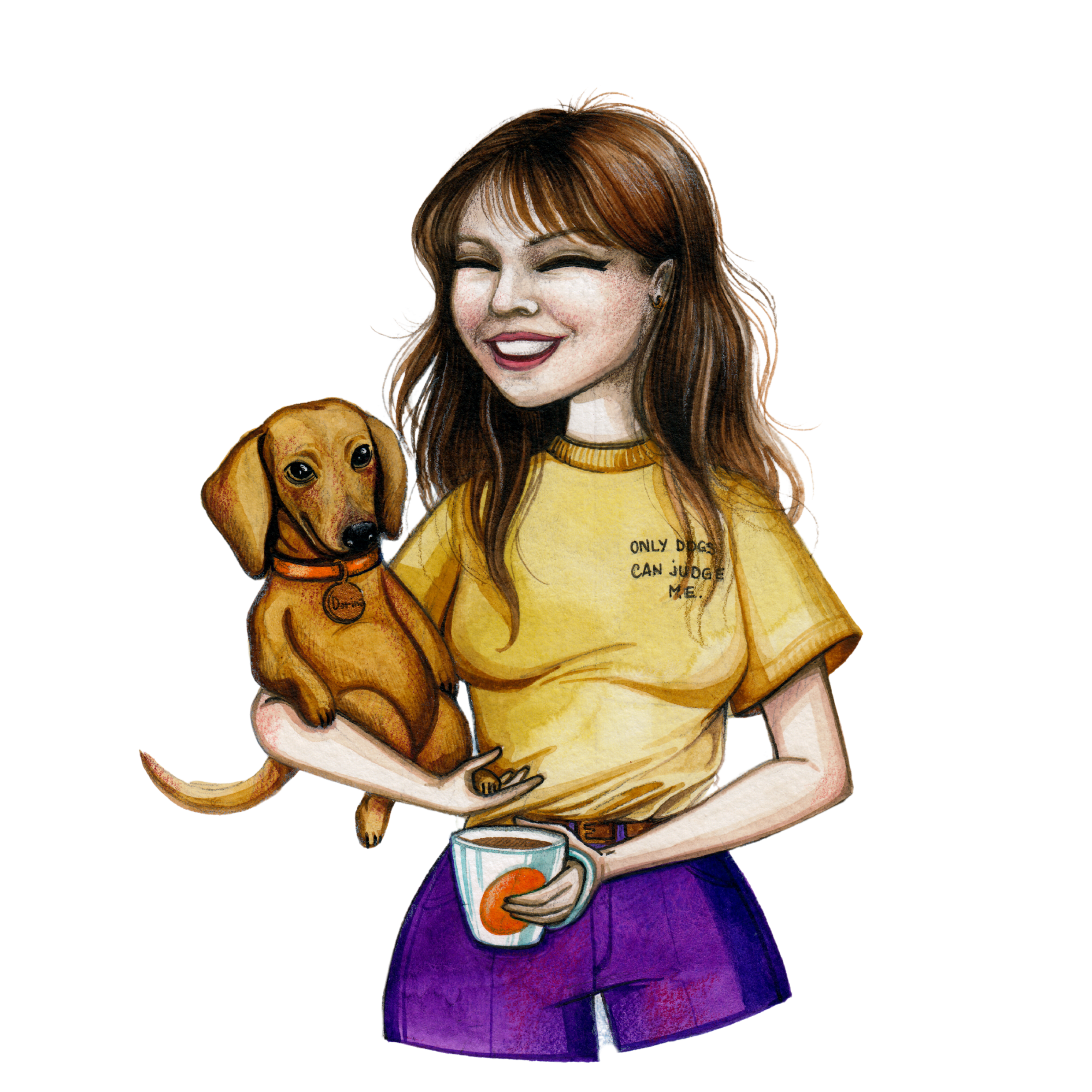
When I was 6, I started writing ‘poems’. When I was 10, I wrote my first ‘novel’ – can you guess what the animals were talking about? When I was 15, I worked hard on completing a ‘real novel’, one where animals would be replaced by angry teenagers struggling with school, popularity and existential matters. I knew I didn’t want it published, but it so happened that the right people believed in me at the wrong time, and got it published for me soon after I turned 16. I decided then that I never wanted to publish anything again in my life. Being a ‘real writer’ was terrifying and not rewarding in the slightest, and I had very little time to decide what to really do with the rest of my life – and so, I ended up in journalism.
Years later, by which I mean fairly recently, while working in publishing – come to think about it, my life choices sound a tiny little bit like a joke – I heard about a volunteering opportunity at First Story’s Young Writers Festival. The two-day event was going to bring together over 800 young students in Lady Margaret Hall, Oxford, to take part in workshops and performances led by more than 30 writers. First things first – I felt a sharp pang of jealousy thinking of the children who were about to take part in all of that. And then, of course, I decided to go too.
First Story is more than just a writing charity. They are a bunch of incredibly passionate people who help students find, foster and celebrate their voices through intensive, fun writing workshops. The Young Writers’ Festivals are where the First Story years begin, with warm-up activities, reading and speeches (Patrick Ness and Sally Green this year) and the chance to get to know already established writers. Later on, First Story bring writers into secondary schools serving low-income communities and create tight communities of talented young writers – who are, at the end of the year, published in professionally produced First Story anthologies. Don’t even get me started on the book-launch events that follow…
‘Many times I saw how liberating it is for young people to be allowed and encouraged and enabled to write about the things that really matter to them. To write not to get a grade, or pass an exam, or to help their school tick some silly little box, but simply because writing is the most personal, the most truthful and the most intellectually and emotionally involving activity you can imagine. I saw boys and girls making discoveries about themselves, about their lives and their friendships, their families, about their own abilities, that were really life changing. They learned a respect for craftsmanship, a respect for themselves and their own histories that would have hardly been possible otherwise. First Story is about precisely that.’ – PHILIP PULLMAN, AUTHOR OF HIS DARK MATERIAL
But it took me no more than one moment, at the end of the second day, to truly understand what First Story do. A seemingly shy little boy jumped on stage to read his poem, much to my surprise. His poem was pretty basic and my first thought was that he wasn’t quite what poets are made of. Then, when he finished reading and smiled nervously at the audience, and 1,000 people clapped enthusiastically, the noise instantly silenced my cynicism. I know where it came from, though. I have always thought that I would be fit to be a writer, and yet here I am, working a 9–5 job, hoping for one or two quiet hours in the evening to start working on another short story that will never see the light of a day in a publishing house. But who am I to think that the boy shouldn’t become a poet? We should all become who and what we want, after all, so kudos to those who make it.
Here’s what I really want to say after my experience as a volunteer: more and more I believe that, without the right kind of support, it’s almost too hard to keep going as a young writer. Ambition and resilience are wonderful traits, but they can only take you so far. Once there, and there can be anywhere you stop and start soul-searching and questioning your motives and your goals, it’s easy to fall off your high horse and lose heart. After all, as Elizabeth Gilbert put it: ‘You’re doing an inherently weird thing. You’re investing time and money into making something that nobody asked you to do. It’s inherently a wacky thing to do. You’re going to have strange feelings, especially about the uselessness of it all. But then you think, I’m going to stay with it, because it’s more interesting than anything else.’
When I was in secondary school myself, people supported me as they knew best, but publishing was quite a myth. Nobody really talked about it, because nobody knew enough about it. They all thought I was talented and genuinely appreciated my attempts at bettering myself as an upcoming writer, but they didn’t know how I was going to do that. In high school somebody offered me a chance, but it was a little late. I had lost interest and became unenthused about the idea since, I figured, it was all such a big fuss. Publishing sounded like a secret club where nobody I knew was allowed in, and I was young and naive and wanted nothing more than to fit in.
What First Story are doing by giving students such opportunities is beautiful and I hope to encourage you to get in touch with them if you’d like to participate in future events. Their focus on students who love reading and writing will surely shape many of their paths, whether they choose to pursue writing and/or publication or not. The confidence a child gains from having their work exposed and praised by others is enormous, and I can only hope that many more will benefit from such programmes. If you know a young writer in doubt, don’t let them doubt themselves for too long – it might be permanent.


Something on your mind?